Alright, let’s skip the gimmicks. You want that sink draining again without melting your pipes, right? Start simple: grab some baking soda, a splash of vinegar, and a kettle of boiling water. That combo is old-school plumbing magic. The fizz eats away the grease and crumbs sitting in there like squatters. George Calabrese from Calabrese Plumbing swears by it, and we’ve tested it ourselves… works every time. **Real talk**: if a clog laughs at your first try, hit it again after ten minutes. That’s your best budget-friendly fix before calling a pro.
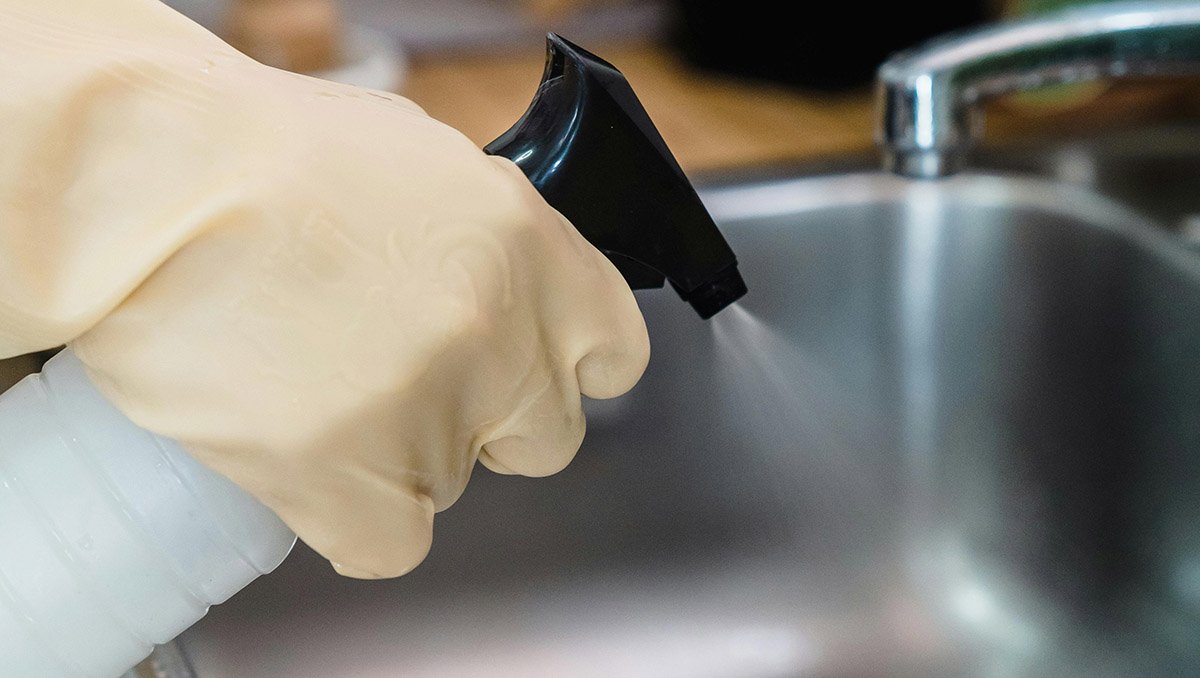
Your gut might say “Just pour in that chemical cleaner.” I get it; it feels fast. But please… don’t. Those harsh formulas chew through more than the clog, especially if your place still has older PVC or cast iron. They cause long-term pipe damage that’ll bleed your wallet later. Think natural before chemical – that’s not just good for your pipes, it’s good for your lungs and the planet. **Pro tip**: If you can smell fumes, it’s already too late; back out.
This isn’t rocket science, and this guide won’t waste your time. I’ll hand you real plumber-tested fixes using what’s sitting in your pantry. We’ll talk fizzy reactions, plunging tricks, and when to bring in the big guns like a drain snake. Why? Because sometimes a cheap mix beats a store-bought miracle. The secret most vendors won’t tell you? Half those “power gels” just move the clog further down the pipe instead of killing it. Enough fluff. Let’s unclog something.
Why Should You Avoid Chemicals for Unclogging a Sink?
That shiny bottle promising to eat clogs alive looks tempting, I know. But chemical drain cleaners like Drano are like caffeine for bad plumbing – they work fast but leave scars. Use them once, and you might notice nothing. Use them often, and you’ll be paying for new pipes. Here’s the inside scoop: pro plumbers won’t touch those chemicals because they shorten pipe life and complicate repairs.
Pipe Damage Risks
These products soften PVC, crack joints, and can even warp older copper or galvanized systems. I’ve seen pipes melt inside walls – it’s brutal. A chemical doesn’t care if it’s eating gunk or your plumbing. One misunderstood dose and you’re calling someone like me on a Sunday morning. Want a fix that stays fixed? Go natural, go slow. A bit of fizz beats toxic sludge every time.
And here’s the part the labels hide… those chemicals don’t vanish. They vent toxic fumes into your kitchen and eventually flow into the community’s water systems. So yeah, your sink runs clear, but downstream someone pays the price. Switching to natural alternatives not only saves your plumbing, it keeps your family breathing easy. **Action tip**: Always ventilate if you’ve ever used a cleaner before adding hot water – never mix methods.
Baking Soda and Vinegar Solution
You’ve probably heard the hype about baking soda and vinegar. It’s not a myth – it’s chemistry doing plumbing. The fizzing reaction breaks apart greasy buildups, soap scum, even light limescale. The beauty? It’s friendly with PVC, ABS, cast iron – all the usual suspects in home plumbing. Think of it like a spa day for your pipes, not a warzone.
Step-by-Step Instructions
| Step | Action | Details |
|---|---|---|
| 1 | Pour baking soda | Dump a full cup right down the drain |
| 2 | Add vinegar | Chase it with a cup of vinegar and plug the drain |
| 3 | Wait and flush | Give it 10–15 minutes to party, then pour hot water |
This combo shines on greasy clogs and soap buildup. The fizz dislodges stuck bits, and the vinegar finishes the job by dissolving minerals. Vendors like to sell enzyme tablets as “eco-safe,” but truth? This simple mix beats them for fresh clogs. **Secret tip**: Follow it once a month even when you’re not clogged. It’s like brushing your pipes’ teeth.
Boiling Water Treatment
Sometimes the best fix doesn’t come in a bottle. Grab your kettle – boiling water is a plumber’s first move. It melts soap films, grease, and food residue that’s clinging to your pipes. We use it on calls all the time before snaking anything. If it’s a simple clog, hot water wins. But be careful with PVC – too much boiling water too often will fatigue it.
Proper Technique
| Step | Action |
|---|---|
| 1 | Boil a pot of water |
| 2 | Pour hot water slowly, in intervals |
| 3 | Repeat if needed |
Don’t just dump the pot at once – that’s where folks mess up. Pour a bit, wait, then pour more. It lets heat work its way through stubborn grease. We tried this trick weekly on commercial kitchen sinks, worked like a charm. **Insider note**: never pour boiling water into a completely full sink – it expands air pressure and can pop joints. Take it slow.
Baking Soda and Salt Scrub
When clogs get crusty with mineral scale, ditch the vinegar – grab salt. Baking soda and salt is an underrated team, part cleaner, part scrubber. The salt grinds, the soda deodorizes and breaks down muck. It’s perfect for older kitchens with years of buildup. Think of it as exfoliating your drain. We use this mix before any mechanical clean – it sets up the line for deeper clearing.
Mixing and Application
| Ingredient | Amount | Instructions |
|---|---|---|
| Baking soda | 1/2 cup | Mix with salt |
| Salt | 1/2 cup | Blend evenly |
| Application | Full mix | Let it sit 15–30 min, then chase with boiling water |
The salt gives grit, the soda fights odors and grime. I once cleared a café sink this way after years of hard-water buildup. Vendors like to upsell descale liquids – save your cash. **Actionable tip**: Don’t mix this with vinegar after – it’ll neutralize the abrasion effect.
Plunger Technique
Okay, classic move time. Got a plunger? That’s hydraulic power in your hands. For shallow clogs made of food scraps or gunk, this trick’s unbeatable. The secret isn’t strength – it’s rhythm. And please, always use a flat-bottomed plunger for sinks, not the cone type for toilets. Different tools, different dance steps.
Proper Plunging Method
Fill the basin with enough water to cover the plunger cup. That’s what builds the pressure. Seal it tight, then pump with steady strokes for 20–30 seconds. We’ve tested it countless times – it’s not about muscle, it’s about motion. **Quick note**: overpumping just splashes, controlled rhythm actually moves the clog.
Got a double sink? That’s the gotcha most miss. Stuff a wet rag in the second drain; it traps pressure where you want it. Work that plunger, then run hot water as your encore. Nine times out of ten, it’ll clear like magic. The other one time… maybe time for a snake.
Drain Snake Use
When the clog laughs at baking soda, it’s snake o’clock. A plumber’s snake (aka auger) digs in deep. This is the tool we grab once gunk’s beyond arm’s reach. It’s mechanical, not chemical, and it gets personal with the clog. If you’ve never used one, practice patience – it’s all feel, not force.
Snake Operation Steps
Feed it slow; twist while pushing. You’ll feel resistance, keep rotating till it gives. That’s your “got it” moment. Pull back, clean off the junk, then flush with hot water. Pro’s secret? Don’t spin too fast – you can kink the cable. Yeah, we’ve done it. If you’re fresh out of snakes, a bent coat hanger can pinch-hit on shallow clogs… just go gentle to avoid scratching chrome.
Bonus tip: wipe the cable dry with WD-40 after – rust loves forgotten snakes. No one tells you that at the hardware store.
Prevention Tips
Want fewer Saturday plumbing surprises? Maintenance is your best investment. Think of it like gym sessions for pipes. Every month, pour some baking soda and hot water down – that simple ritual keeps buildup soft and manageable. **Key advice**: Don’t wait till it slows, treat when it flows.
Oh, and the everyday stuff matters more than you think. No grease, no coffee grounds, no big pasta chunks down the drain. Use a strainer, scrape the dish first. We’ve seen commercial kitchens stay clog-free just by following that one rule. The manual calls it “waste management,” I call it common sense.
If you’re a homeowner who likes peace of mind, book a pro once a year. We clean deeper using water pressure or inspection cameras. Sounds fancy, but it’s cheaper than replacing pipes later. And if your local plumber suggests “hydrojetting,” take it; it’s worth every buck. That’s like a deep-clean facial for your plumbing lines.
When to Call a Plumber
Sometimes, even the handiest DIY can’t crack it. That’s when you stop fighting and call us. How do you know? If two or more drains back up at once, you’re not looking at a local clog, you’re staring at a main-line issue. That’s power equipment territory. Don’t force it – you’ll just push the clog deeper.
Smelling sewage or watching water rise in another drain while you’re plunging? That’s your clue: it’s in the stack, not the sink. Same thing with those repeat offenders that come back every week. There’s likely roots, collapsed lines, or buildup beyond reach. Let pros with cameras verify before you tear into tiles. **Industry truth**: most “mystery clogs” turn out to be tree roots two yards out.
We’ve got tools like hydrojets that blast 4000 PSI or video scopes that snake through turns. That’s stuff no homeowner needs to own but should know exists. So, DIY what you can, then call the cavalry when pipes fight back. Protect your system before it turns into a weekend nightmare.
Wrap-up: these natural tricks? They’re not gimmicks – they’re tested, safe, eco and wallet-friendly alternatives to bottled caustics. Make them part of your monthly rhythm. That’s how you keep water moving, air fresh, and pipes happy. **Final quick tip**: rinse every month with hot water and a spoon of baking soda. Simple habit, big payoff.