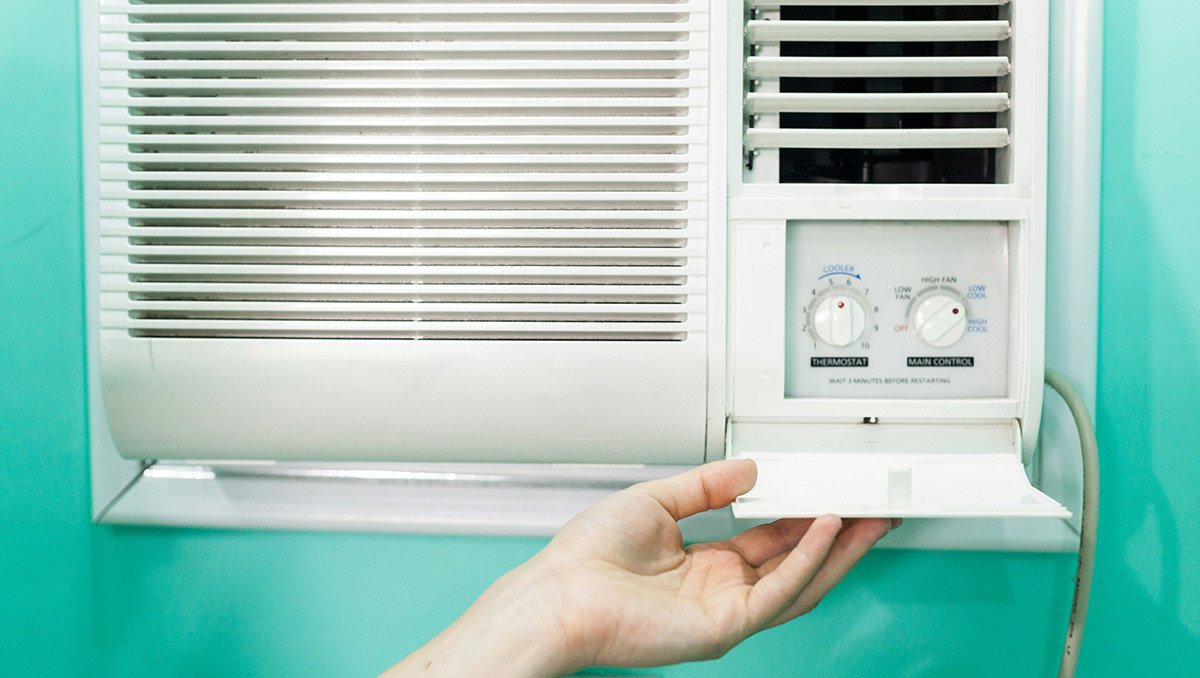
Hot day, AC sputters out… suddenly, you’re standing there thinking, “How hard could this be?” We’ve all been there. When repair invoices hover around $300–$600, picking up a wrench feels tempting. Here’s the thing though: some fixes? Totally fine for the weekend warrior. Others? Cross that line and you’re risking your comfort, safety, and maybe even your unit. **Know your limits.** That’s your wallet’s best friend. Tip: start by separating “maintenance” from “repair work” before you touch anything.
Real talk: the DIY AC game isn’t as simple as that five‑minute YouTube video made it look. Modern systems are beastly hybrids of wires, refrigerant loops, and smart controls. You could clean coils or swap filters and feel like a champ… but the second you mess with refrigerant lines or compressor wiring, it’s pro time. Think Excel meets open‑heart surgery; precision matters. Secret? Most “simple fix” tutorials skip the parts where you need a license. PS: been there, and learned the expensive way.
Understanding Your AC System Basics
Before you dive into anything, let’s lay down the basics. Your AC isn’t magic; it’s an elaborate heat taxi. It grabs the indoor heat and dumps it outside using four main pieces: the evaporator coil, compressor, condenser coil, and expansion valve. The refrigerant takes an epic ride between them: liquid… gas… liquid again, hauling heat along the way. **That’s your cooling cycle** in a nutshell. Tip: sketch this cycle out once – you’ll never misdiagnose “warm air” again.
Picture this: the outdoor “condenser” handles the heavy lifting with that compressor buzzing away. Inside, your evaporator coil chills the air as a blower pushes it through ducts. Wires, copper lines, sensors – they’re all part of one conversation between these units. Once you grasp the layout, you can pinpoint which noises or leaks might be DIY‑safe and which scream “professional only.” Insider trick: keep a label on every wire you disconnect; your future self will thank you.
Every AC whisper includes safety switches, thermostats, and drains that quietly pull moisture out. Ignore them, and you’ll meet puddles or worse – a full shutdown. Get cozy with your system’s anatomy, and you’ll spot warning signs early. Why does that matter? Because a ten‑minute inspection in May saves you a $400 service call in July.
Safe DIY AC Maintenance Tasks
The good news? Plenty of low‑risk jobs actually love a little DIY touch. Stuff like cleaning, clearing, and tightening make a real difference. We’ve tested these on a dozen client systems, and trust me, the payoff in performance and lifespan is solid. Actionable tip: build a monthly “AC ritual.” It’s cheaper than repairs and oddly satisfying.
Filter replacement is your MVP move. A dirty filter strangles airflow, forcing the system to work double time and ice up. Swap it every month or three depending on usage. High‑efficiency filters? Maybe twice a year. Secret from vendors: they’ll often upsell “lifetime filters” that clog faster than they claim… always check airflow, not promises. PS: write the install date on the frame – it beats guesswork.
Cleaning the outdoor unit is backyard therapy. Kill the power first, then rinse the condenser coils from inside out using gentle water pressure. No pressure washers, ever. Trim shrubs to give it breathing room, about two feet. If your dog likes that spot? Relocate him… airflow matters more than you think.
Clearing condensate drains is huge for preventing hidden water issues. Grab some vinegar and water, flush the PVC line, or shop‑vac the clog. Don’t skip it; ignored drains are silent drywall killers. Why do we stress this? Because no one enjoys the smell of mildew in August.
Thermostat maintenance may sound dull, but a low battery can ruin your cool. Wipe off dust, check function, and recalibrate if needed. One expert tip: avoid placing it near lamps or vents. A lying thermostat feeds bad temperature data to your system, costing you comfort and cash.
Warning Signs That Require Professional Help
Here’s the line in the sand: the stuff you shouldn’t tough out. If your gut whispers “that looks complicated,” trust it. This is where a certified tech earns their coffee money. Let me ruin an assumption – refrigerant or high‑voltage issues aren’t learning‑on‑the‑job moments. They’re code compliance territory.
Refrigerant issues – icy coils, weak cooling, hissing pipes – require “`EPA“`‑certified handling. You need gauges and reclaim gear that cost more than the fix. I’ve seen DIY fills wreck compressors overnight. Don’t gamble; report, don’t refill. That’s the smartest move in AC survival.
Electrical problems terrify even seasoned techs for a reason. If breakers keep tripping or you smell burning, step away. These systems run on high voltage; one slip can end badly. Sure, swapping a thermostat wire feels simple… until it arcs. Always bring in a pro for anything beyond the disconnect box.
Compressor failure is the heartbreak moment of HVAC. Loud clanking? No cooling? Usually spells replacement. And since that job can cost half a new system, it deserves an expert opinion. Insider hint: never authorize compressor swaps without pressure tests and amperage readings – some “bad compressors” are just bad capacitors.
Ductwork problems look deceptively easy. A little tape here, a patch there… but if half your cooled air is leaking into the attic, your utility bill knows it. Rule: if the duct feels wobbly or moldy, stop and call in a pro. They have the smoke testers and sealants you don’t.
Essential Tools for DIY AC Maintenance
Let’s talk gear. You don’t need a shop full of gadgets – just the right ones in decent quality. Cheap screwdrivers bend, cheap hoses leak. Trust me, I learned that mid‑July on a rooftop. **Tools make or break your confidence.** One box, one checklist, less stress.
Basic hand tools like screwdrivers, pliers, and adjustable wrenches get you far. Toss in a multimeter to safely test juice before touching anything live. That $30 tool separates “curious” from “careless.” Add a flashlight; half of HVAC work happens in dim corners of basements where spiders live rent‑free.
Cleaning supplies: mild coil cleaner, garden hose, soft brush. Skip the harsh stuff – acid sprays eat fins faster than you can say “warranty void.” A wet/dry vac earns its keep clearing drain sludge. Bonus trick: use it to vacuum out air register dust while you’re at it.
Safety gear isn’t optional. Goggles, gloves, and power off – always. I tell clients: if it hums, it can bite. Respect that, stay safe. Insider secret: more techs get hurt rushing cleanup than during the job itself. Slow down; that’s professional behavior.
Specialized tools like fin combs or digital thermometers are nice extras when you’re deeper into the hobby. But if someone’s convincing you to buy a vacuum pump for “routine service,” smile and walk away. You don’t need half their catalog – just your wits and a multimeter.
Common DIY AC Repair Mistakes
If I had a nickel for every homeowner mistake, I’d own a fleet of service trucks. Mistakes usually boil down to two things: overconfidence and skipping basics. Learn from others’ pain. **Less guessing, more checking.** That’s the pro mindset.
Misdiagnosing is the classic flub. You think it’s a bad compressor, turns out it’s a tripped breaker or filthy filter. Always start simple. The boring manual says “check airflow first.” Boring = correct. Action tip: create a 3‑step checklist before buying any parts.
Wrong parts make Franken‑systems. Every capacitor, contactor, and motor has specs for a reason. Mismatch them and you’ll void warranties or fry circuits. When in doubt, snap a picture of the part label before ordering. Vendors love to sell “universal fits” that, well… don’t.
Ignoring safety might be the worst habit. You can’t outsmart electricity or refrigerant physics. No shortcuts, no “quick checks” on live circuits. Even seasoned techs tag and lock systems before work. Copy that discipline – it’s the difference between repair and regret.
Refrigerant tinkering without credentials? Don’t do it. It’s illegal and dangerous. Refrigerant behaves like pressurized science fiction; mishandling it can freeze skin or wreck the planet. True pro secret: half of “low charge” calls are actually airflow problems. So check filters and coils first – every time.
When to Call Professional HVAC Technicians
Sometimes calling the pros isn’t defeat – it’s strategy. They bring licensing, liability insurance, and tools you’ll never own. We’ve seen $200 calls save $2,000 disasters. Let that math sink in. Tip: set a “complexity threshold.” Anything electrical beyond swapping batteries? Call out. Easy rule.
Complex electrical work like replacing capacitors or control boards isn’t for rookies. Miss one wire, you buy a new board. And burned boards smell awful. Better to have a licensed tech handle it than risk a meltdown. Think of it as renting their expertise for an hour.
Refrigerant repairs are straight off‑limits without “`EPA“` papers. Techs evacuate, recover, and recharge with precision scales – not guesswork. The manual might say “top off refrigerant,” but the reality? It’s a measured dance that only training perfects. And yes, fines exist for DIY refrigerant use.
Warranties love professionals. Manufacturers track service history like detectives. If they see DIY fingerprints, coverage dies. Boring but true. Always read the fine print before you twist a screw. Consider pro service as “insurance for your insurance.”
System sizing or replacement is science-heavy. Load calculations, duct design – it’s not just plug‑and‑play. Wrong size, and comfort vanishes. Skip this one and you’ll chase humidity forever. call your trusted contractor; their software handles what tape measures can’t.
Cost Analysis: DIY vs Professional Repair
The money talk – this is where people get brave or broke. DIY looks cheap until you factor mistakes. Professionals charge $75–$150 to diagnose, then bill parts and labor. Capacitor swap? $150‑ish. Compressor? More than $1,000. Scary, sure, but accurate work rarely needs re‑doing. Tip: calculate “peace of mind per dollar.” Sometimes that’s worth the fee.
DIY costs sound low – until tools enter the chat. Filters are $10–$30, but multimeters, cleaners, and hours you’ll never get back… they add up. But hey, if you enjoy tinkering, those hours are education. Just stay mindful that the “tuition” for a mistake might run higher than you thought.
Hidden costs are silent killers. Misdiagnosis leads to wasted parts, or worse, damaged compressors. FYI: most homeowner policies don’t cover self‑inflicted HVAC wounds. I’ve seen it – one bad wiring job, zero coverage. Meta moment: manuals rarely mention that part.
Long‑term value favors professional touch. Proper installs extend life, hold warranties, and include workmanship guarantees. DIY savings fade fast if your system dies young. The smart move? Split duties – do the easy stuff yourself, outsource the rest. Balance wins.
Seasonal AC Maintenance Schedule
Your AC runs marathons every summer, so train it year‑round. Maintenance by season keeps it limber. Think of it as gym sessions for your system. Secret from old pros: spring neglect is the #1 cause of midsummer breakdowns.
Spring prep: Inspect lines, clean coils, swap filters, test startup. Before the first heatwave, catch leaks early. This is when to call for a tune‑up if you plan one – technicians have openings before the July rush. Pro tip: test cooling on a mild day, not after it’s failed at 3 p.m.
Summer watch: keep an eye on bills and noise. Rising power use = a dirty coil or airflow restriction. Monthly filter checks save headaches. Listen for odd hums; they’re whispers before failures. A calm summer is the reward for spring diligence.
Fall shutdown: clean and cover the outdoor unit, especially if you’re in a cold zone. Inspect insulation. Schedule maintenance early in off‑season when pros aren’t slammed. We do half our preventive work in October; fewer emergency calls later. Works every time.
Winter stage: plan upgrades, check air quality, and evaluate aging systems. Shop energy upgrades when nobody else is. Vendors discount heat pumps in January; that’s your leverage. Homework season for the smart homeowner.
Safety Considerations for DIY AC Work
Alright, seatbelt moment: safety. HVAC pros live by checklists because we like staying alive. Electricity, refrigerant, sharp metal – this isn’t Lego. **Respect the risks, enjoy the results.** Action tip: keep a laminated safety list near your breaker panel; use it every time.
Electrical rules are gospel. Shut power at the disconnect and breaker; test with a non‑contact voltage tester before touching anything. Never assume “off” means safe. Seen too many shocks from miswired panels – don’t be that story.
Refrigerant care: Frostbite and asphyxiation are not metaphors. Ventilate any space that smells chemical. Suspect a leak? Back off and call certified techs. No exceptions. Boring but life‑saving.
Physical safety: metal edges slice faster than knives, and condensers weigh like small cars. Gloves, smart lifting, and a buddy system matter. Even pros slip; don’t solo big jobs. Keep a first aid kit nearby – it’s the humble hero of every workshop.
Chemical smarts: never mix cleaners, even if it seems harmless. Ventilate and store chemicals properly. Old‑school trick: label every bottle with bold tape; saves you guessing later. Safety isn’t paranoia, it’s process.
Troubleshooting Common AC Problems
Troubleshooting’s an art. Move from simple to complex – don’t leap to doom. The boring checklist? It works. One of our trainees once swapped an $800 blower motor when a fuse was the culprit. Lesson: slow down, test everything once.
System won’t start? Step one: breakers, fuse, thermostat settings. Ninety percent of no‑cool calls trace back to power or control. If everything looks right and it’s still dead, stop. That’s electrical, and pros earn their fee on those hunts.
Poor cooling usually screams airflow. Dirty filter or blocked vent – start there. If cleaning fixes it, pat yourself on the back. If not, refrigerant or mechanical failure demands pro instruments. Tip: log supply and return air temps; that data helps diagnose smarter next time.
Weird noises aren’t “character.” Rattles = loose screws; grind = bearings; squeal = belts. Tighten gently where you can, but call in reinforcements if it sounds mechanical. Ignoring noise means paying double later. Trust your ears – they warn you early.
Water leaks near the air handler? Check that drain first. Usually it’s a clog you can clear. But oily residue and bubbling? That’s refrigerant, not condensation – run, don’t walk, to your phone and book a tech. Your compressor’s life depends on it.
Building Your DIY AC Knowledge
Here’s where rookies become confident caretakers. Start small, log every step, and don’t chase shortcuts. This field rewards curiosity, not heroics. My motto: “Document or repeat forever.” Photos save sanity. Tip: create a maintenance journal – you’ll track patterns pros respect immediately.
Educational sources worth your time: manufacturer manuals, training videos from actual HVAC schools, not random influencers. Those who preach “shortcut recharge kits”? Red flag. You want theory plus safety, not hacks.
Hands‑on time comes from routine cleaning, not risky repairs. Watch your system behave when healthy; that baseline helps you spot anomalies. Experience builds faster when pain – like a frozen coil episode – teaches you firsthand. We’ve all had one. Learn, laugh, move on.
Networking with local pros pays off huge. Many contractors offer quick consultations for a small fee, saving you from disaster guesses. Treat them as mentors, not rivals; you’ll get better advice and maybe a same‑day callback when things go sideways.
Keep learning. Tech evolves yearly – variable‑speed compressors, smart diagnostics. Stay updated, and you’ll sound like an insider around the next contractor. The boring manuals age fast; your curiosity shouldn’t. That’s the real long‑term cost saver.
DIY AC care isn’t about being fearless; it’s about being informed. Stay within your lane, gear up safely, and know when to pass the wrench. At the end of the day, success means cool air, no shocks, and knowledge that pays dividends. Balance your confidence with caution, and you’ll own summer instead of fearing it.